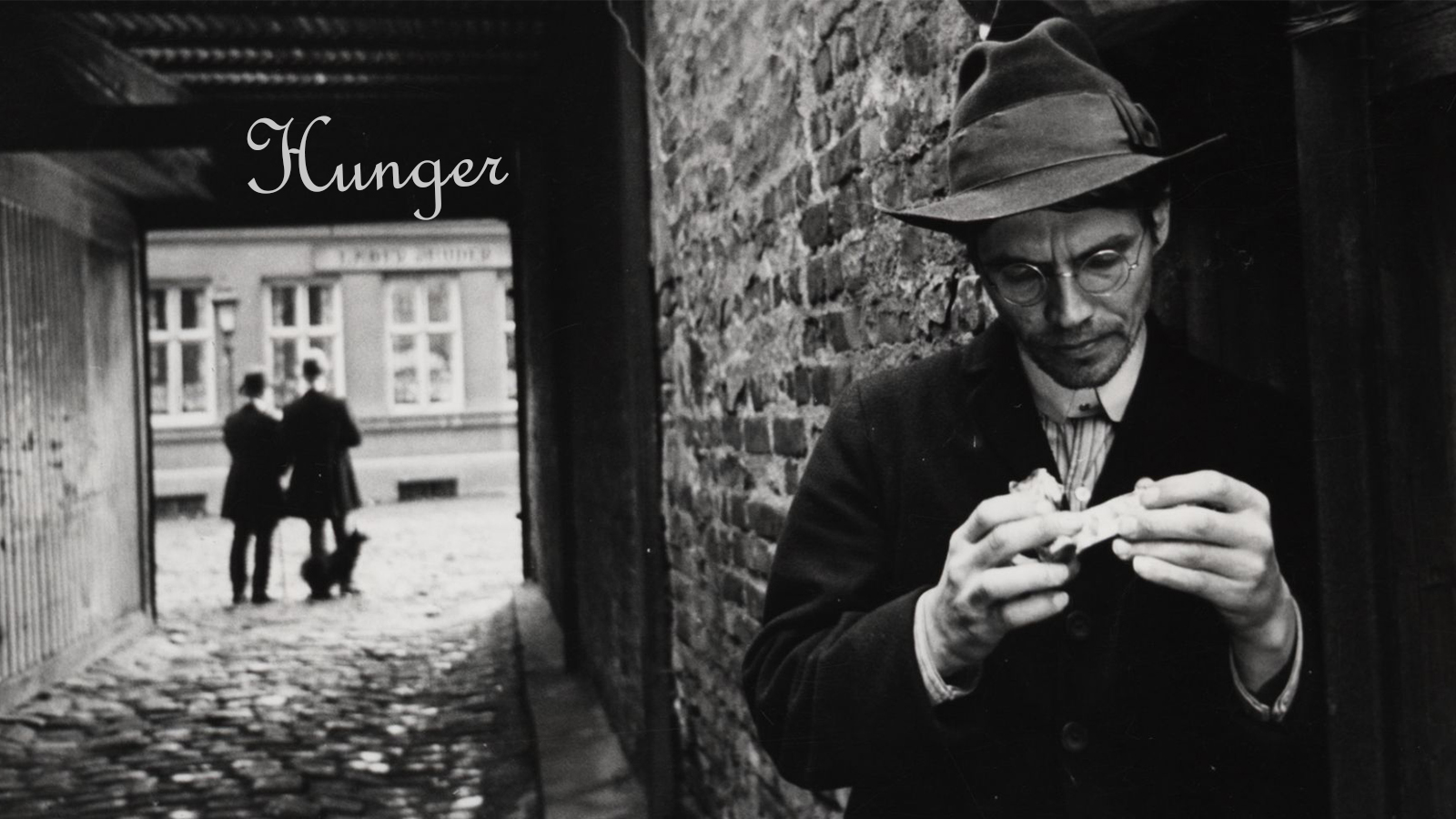
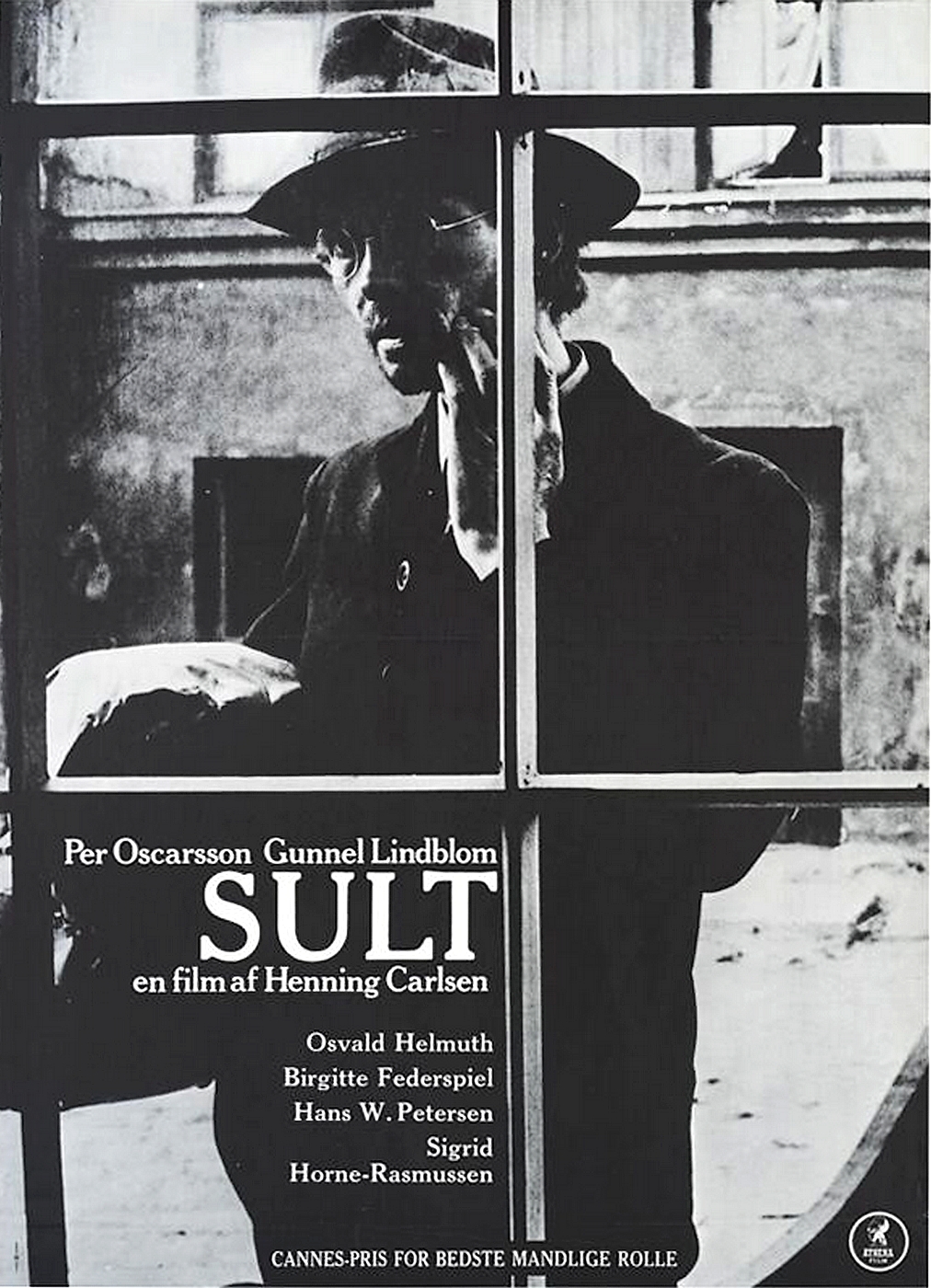
This mainly unknown adaptation of the novella HUNGER (Sult), by KNUT HAMSUN, was the first official Danish/Norwegian/Swedish Co-production that happened inside Scandinavian cinema, which was conducted by the director HENNING CARLSEN (Kattrona, 1965.). This extremely creative collaboration was presented as a Scandinavian New Wave film and earned the main actor PER OSCARSSON the award for best actor in Cannes, in the year 1966. During the years, the film didn’t get a proper release worldwide, so the world didn’t get the chance to enjoy this marvelous endeavour. It portrays an anonymous homeless figure, who tries to get his life together. The only thing keeping him from succeeding is his hunger. As Carlsen elaborates
‘The man is extremely hungry. he walks around town suffering. He meets strange people. He gets a bite to eat, falls asleep, and wakes up days later, hungry.‘ (Carlsen, 2006)
AMBIGUOUS SIGNS
Although the film may seem like a very realistic depiction of a struggling man, it couldn’t be further from it. Here are some signs the film is not placed in reality:
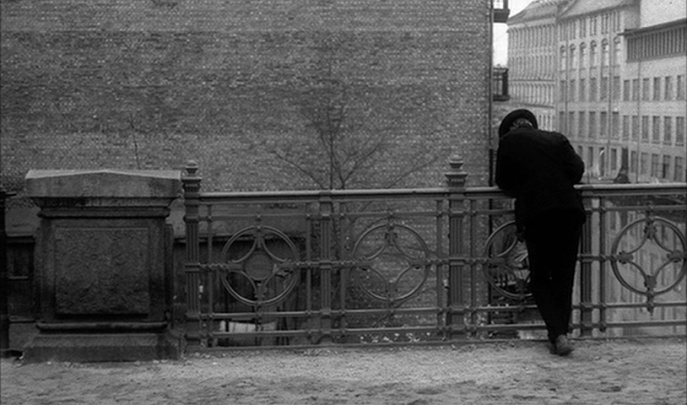

- THE OPENING SCENE – The shot shows the main character (Per Oscarsson) leaning on the bridge with his back facing the camera. It is a static wide shot, but suddenly the camera moves toward him. The camera became involved in the process of telling the story and this movement tells
‘It is through the writer we experience Christiana. Either he is in the picture or we see his surroundings through his eyes.‘ (Monggaard, 2006)
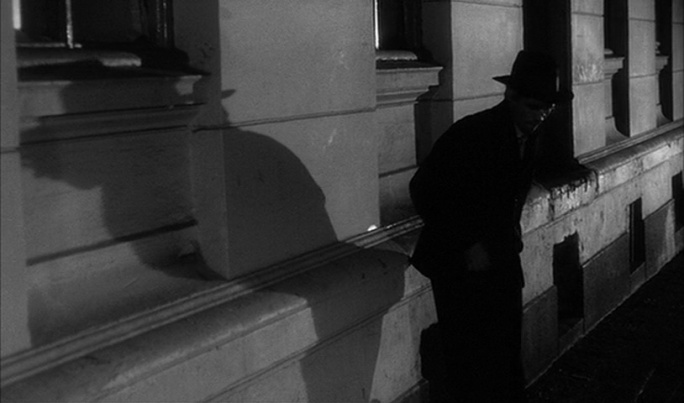
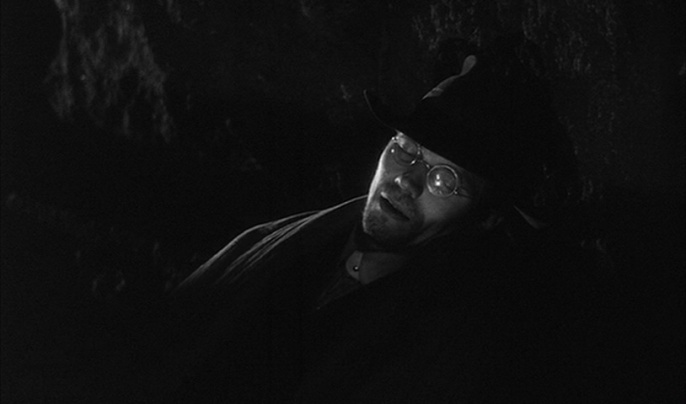
- EXPRESSIONISM – Inner emotions of the writer are reflected in his surroundings, the world looks the way he feels; worn out, muddy, lifeless, slow, swallowed by a foggy day and rainy skies.
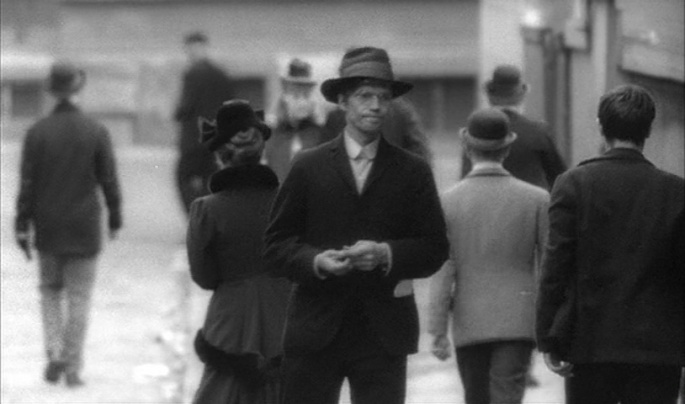

- TIMELESSNESS – The director explains how the film
‘was to be timeless. […] It was made obvious that all happened in a different time. […] Henning Kristiansen (Cinematographer) struggled to find a style that would make the images seem timeless. Henning fought with his style in that he wanted the black to be black and the white to be white. It was an expression of the film’s other absolutes.‘ (Carlsen, 2006)
The film needed to be timeless, a hint that it is not the reality the audience is watching. For the audience, the time depicted is supposed to be in Christiana in the year 1890, but for the writer, it is 27-10-1848 on one day, then 28-10-1890 on the other. Also, since his name is never revealed, he represents a kind of symbol and not a real person.
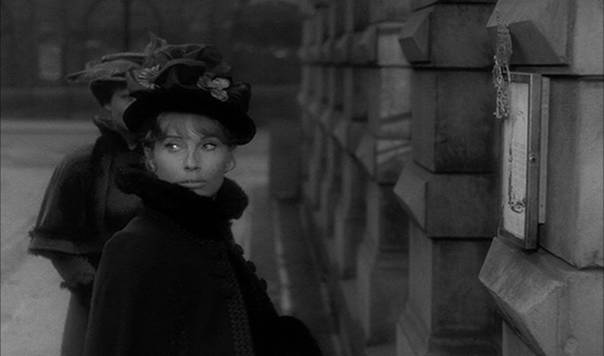
- THE WOMEN – It is pretty strange for two sisters to live in the city in a bourgeois apartment, come from a wealthy family, be in their 30s, and not be married. From 1850 – 1911 women could not have responsibilities over the house or money. Women depended on their fathers until they were married off, then depended further on their husbands. Marriage was a financial agreement, not based on love. So, it is very hard to believe that the two females in the film would live their lives as freely as it is portrayed, and the affection ‘Ylajali’ (GUNNEL LINDBLOM) is feeling for the dirty, repulsive, and cunning writer, is a hint as well.
THE WRITER
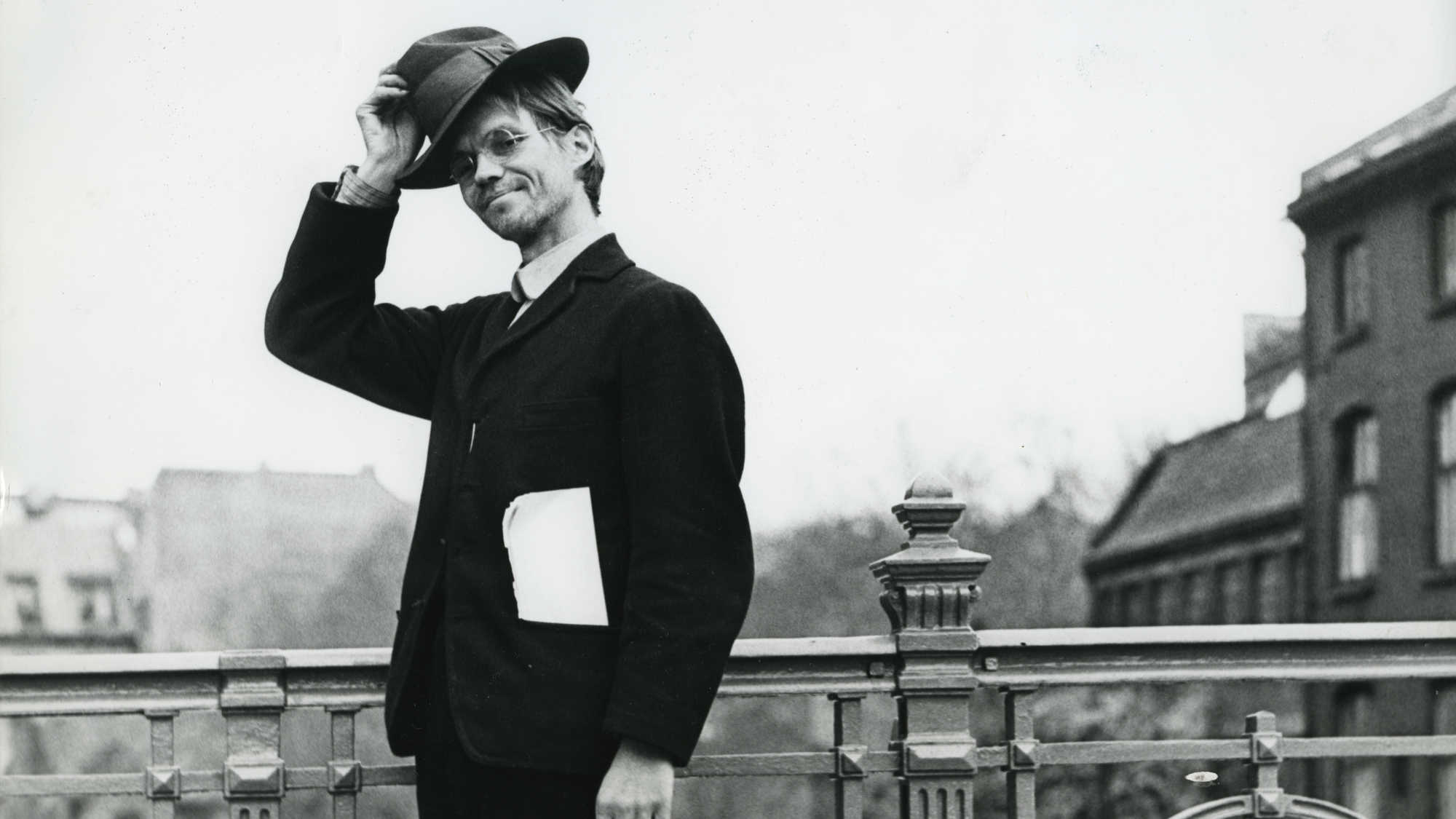
When the audience first encounters the writer, he is already a beaten man. Thin, hopeless, a walking dead man consumed by pride. Not many pieces of information are clearly presented about the writer’s past, but one can form a timeline from the hints laid out in the film.
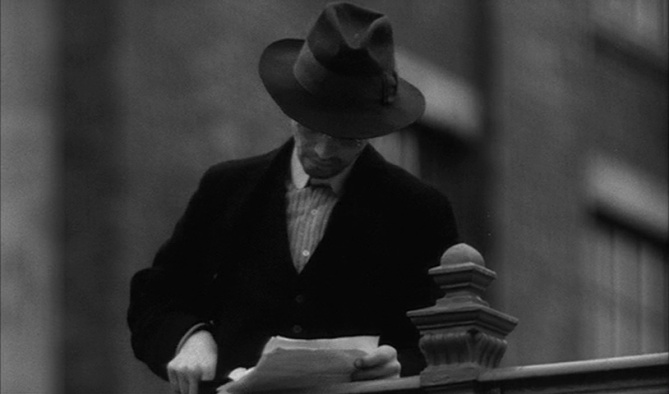

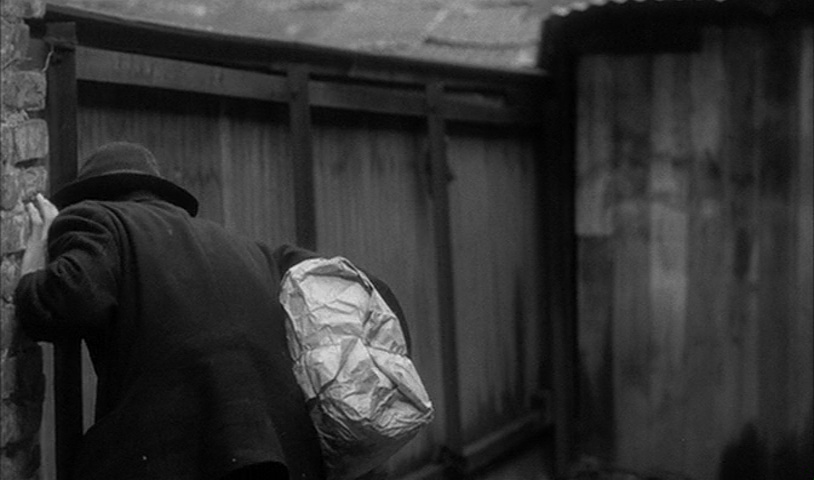
He is not born in that city portrayed in the film, he traveled to that city. The pawnshop worker asked him ‘Aren’t you from the country?‘ to which he responds angrily ‘Don’t mock me!‘ (Hennings, 1966). Being this insulted by the assumption only shows he is somehow connected to the country. He has exceptionally good manners, which he had to learn somewhere. It is to be assumed that he grew up in a middle-class environment, that he wasn’t hungry and that had some money. He left the country and moved to Christiana. There he enjoyed a good time meeting the upper-class people, visiting theatres (as Ylajali noticed), and borrowing money from his bourgeoisie friends. Along the way, something must have happened, because, for a whole year, he is penniless and on the streets. When he encounters clocks in the window of a shop, he grabs into his pocket and mimics the gesture of rewinding a pocket watch. He does that, because some time ago he did own one, but had to either sell it or gave it willingly to someone. It is important to notice that he is NOT a writer, because, in the course of the film, he desperately tries to sell the first article he ever wrote. If he would have been a writer, the newspaper editor would know him, since they would have printed many of his articles before.
WHAT IS HIS PROBLEM?
The film tries to present the main character as a hungry, lonely homeless writer who doesn’t seem to get his break, but his endless HUNGER is just a metaphor. Auster explains,
‘He goes hungry, not because he has to, but from some inner compulsion, as if to wage a hunger strike against himself!’ (Auster, 2003: 319)
Hunger is something one needs to satisfy in order to survive, just like an addiction. The writer gathered 15.75 Kronen throughout the film, only to give it away as fast as he got it. He didn’t spend it on himself, he donated it to a homeless man and a widow because he doesn’t need the money and his manners tell him that it was the right thing to do. The addiction he tries to beat, the struggle he wants to end, is because he is a GENTLEMAN THIEF. As he himself explains to the audience
‘It is a rich man who dresses in rags and steals for pleasure. Once a man has got what he can with the help of money, he is willing to get whatever he can without it.’ (Henning, 1966)
CONFIRMATION THAT THE WRITER IS A GENTLEMAN THIEF

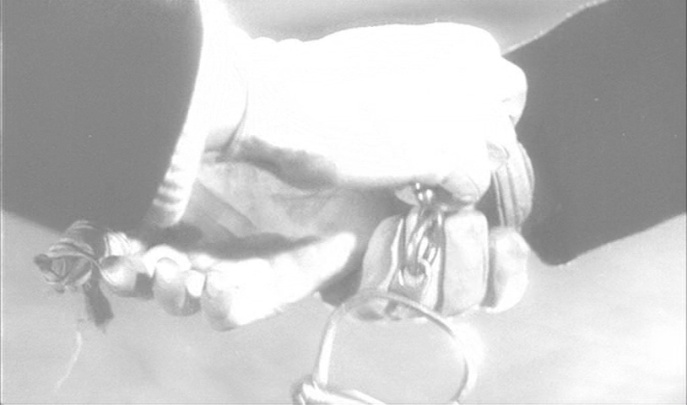
- Although he is broken and in despair, he wants to APPEAR in control and capable of everything, because he feeds off people’s trust

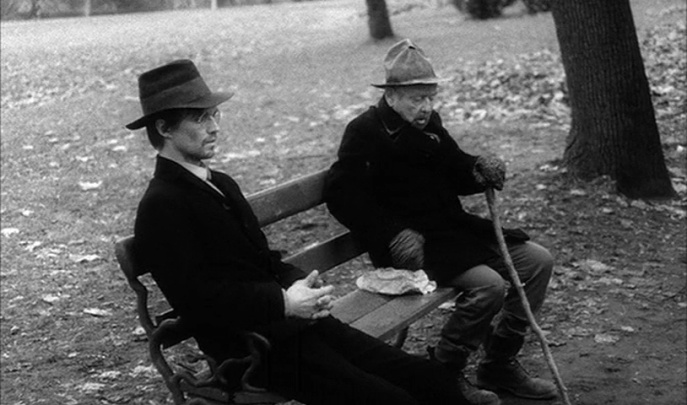
- He LIES constantly. Many times wants to hide the fact that he is poor and sometimes he just makes up fictional stories, like the one about Johan Ahrend Happosati and his daughter Ylajali.
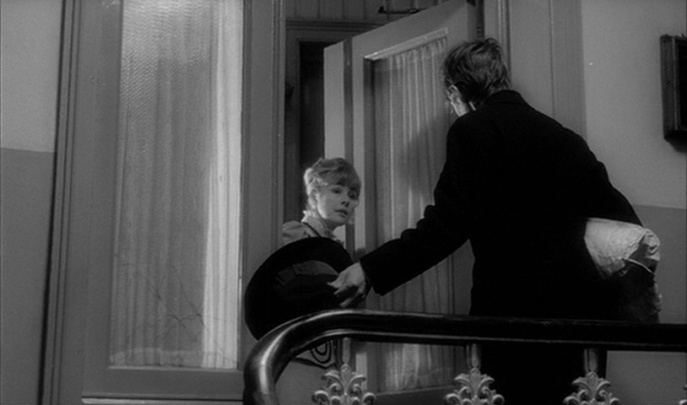
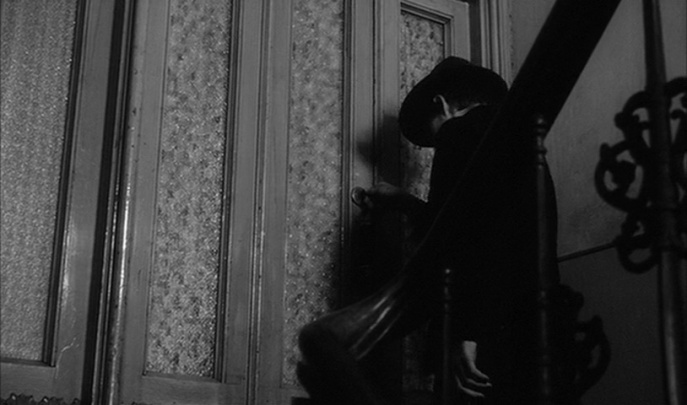
- His ‘modus Operandi’ wasn’t to rob banks or stick somebody up, no, he would appear in front of random flats and CONVINCE the inhabitants that he was ‘to fetch a parcel for a young musician..‘ or ‘an invalid man advertised for a man to push his chair. 2 hours wheeling a day at 40 cents per hour. My name is Wedel-Jarlsberg‘ (Hennings, 1966). His scheme worked until recently because now he doesn’t look trustworthy enough and he doesn’t put too much effort into his act.
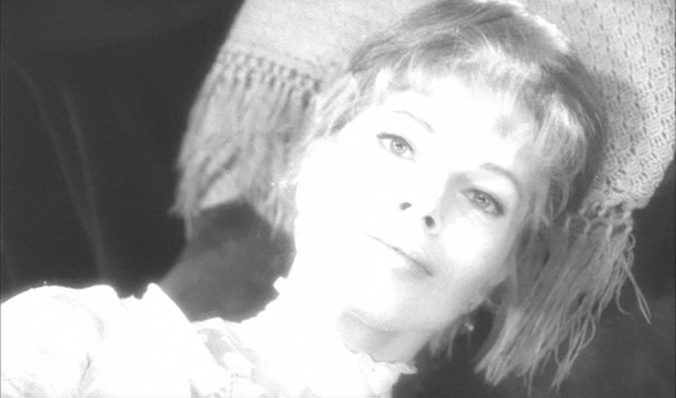
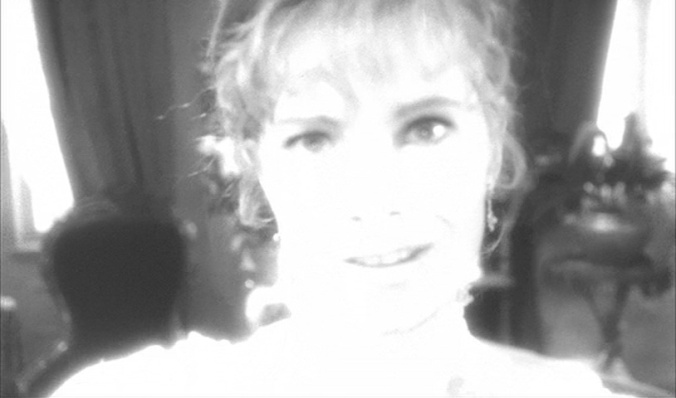
- He is experiencing A FANTASY about Ylajali taking him to her apartment, his words towards her aren’t ‘Let me kiss you… I love you… I desire you…,‘ but ‘Rubies everywhere. Her eyes are like Amber. That red, soft silken divan!‘ Hennings, 1966).

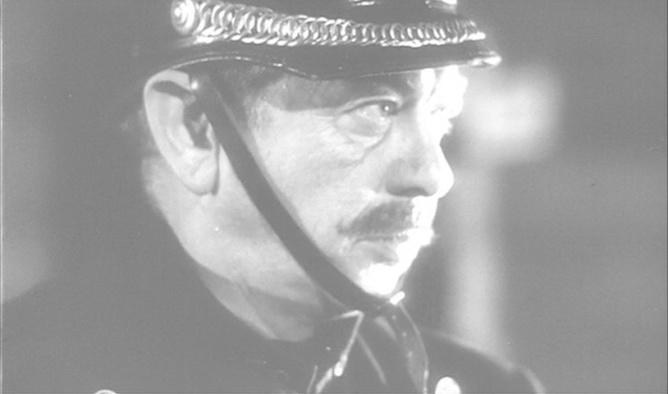
- Every time he notices a Police officer he jumps up, in FEAR, and tries to talk his way out by asking the officer about what time it is. His reaction to the law is more than suspicious. The audience sees his struggles and believes that he needs the money, only to see him lose it or throw it away carelessly. That is exactly the point, he gets his satisfaction by STEALING and not earning money.
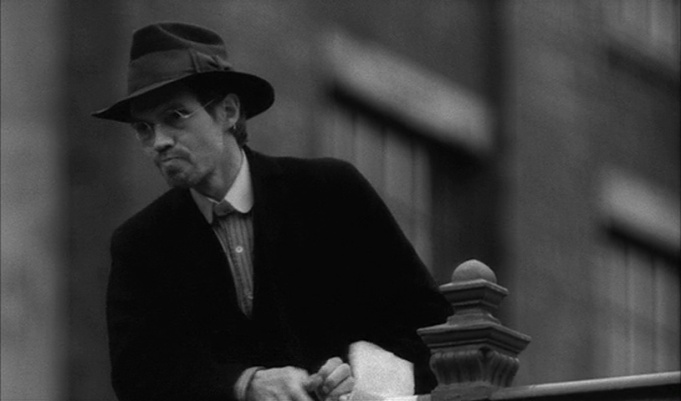

- His appetite for stealing grew bigger than he anticipated, so he tries to overcome the feeling and the desire to steal. That is what occupies his mind all the time because his article has the title ‘CRIMES OF THE FUTURE’. He is not that much of a proud person, he just wants everyone to believe he is, but the only reason he does good deeds is to cleanse himself. By giving away every cent he earns or gets he is ‘beating’ his hunger/desire/addiction for stealing and thereby controls his life. Auster concludes
‘To give up starving would not mean victory, it would simply mean that the game was over.’ (Auster, 2003: 319)
INFLUENCES
The biggest influence on the main character is CHARLIE CHAPLIN’S THE TRAMP. The Tramp and the Writer don’t reveal their names to the audience.

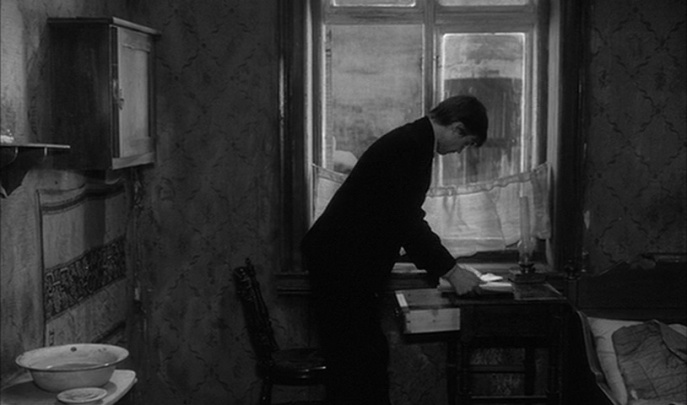
Both are outcasts, homeless, and hungry, and they look shabby but behave with manners and have a sense of morality and pride.
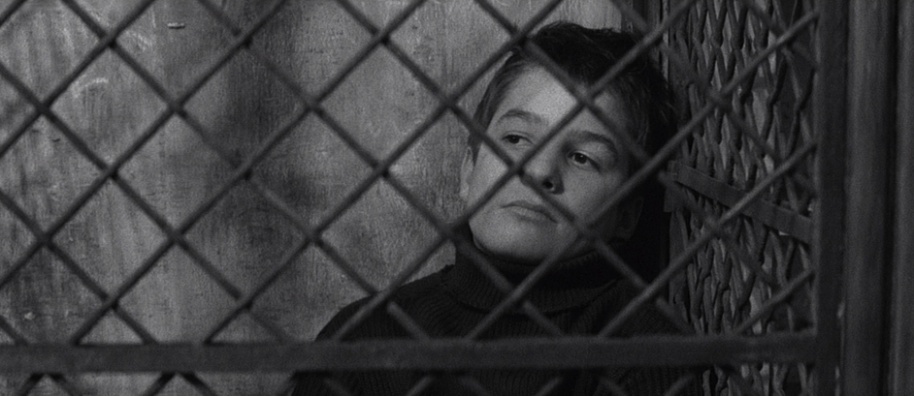
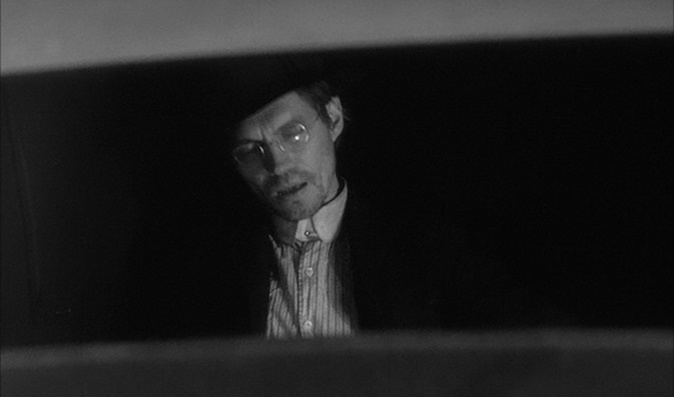
The second biggest influence is TRUFFAUT’S 400 BLOWS (1959.). Many characteristics from that film can be found in Hunger:
- Like Antoine, the writer has to find a place where to spend the night.
- Each is hungry most of the time but doesn’t have the money to buy food.
- Both characters show they are extremely proud and don’t mind suffering for it.
- The writer writes an article and Antoine writes an essay, it is indicated that both are talented in writing.
- Each lie to anyone they encounter and feel no remorse afterward.
- Both, Antoine and the writer have bad experiences with the Police. The writer jumps up in fear every time he sees a police officer and Antoine had a traumatic experience when he was jailed and later on, transferred to a correction camp.
- They are shot in black and white, containing only a handful of New Wave editing techniques.
- The finale shows a scene by the ocean and ends on an ambiguous note with a freeze frame of their frightened, lost look.
FINAL WORD
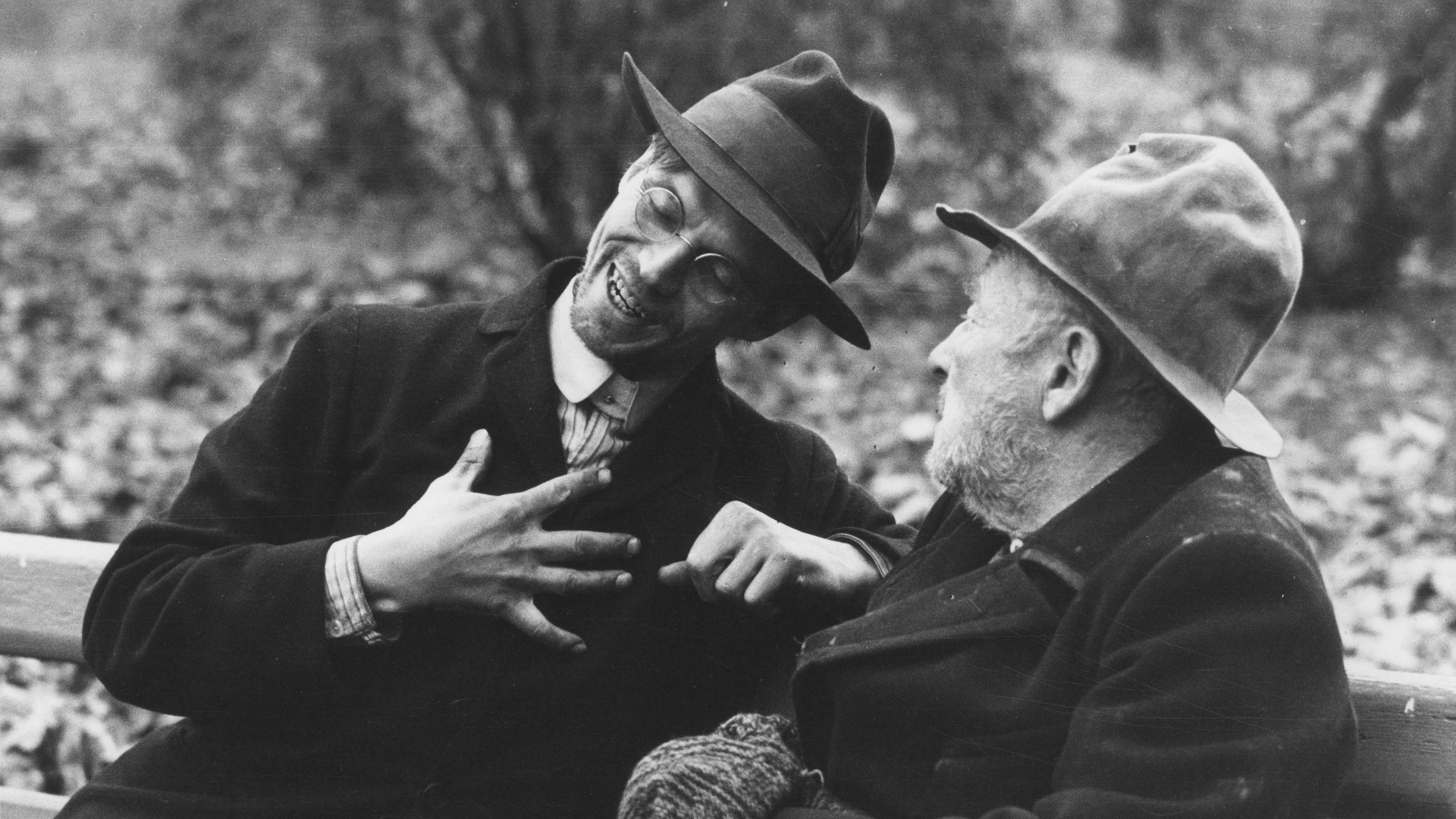
The story of this film is unbelievably complex and the spectator needs to pay special attention to every word that is being said and every effort the main character does. Many clues reveal themselves only if the audience starts questioning things that should be taken for granted. The visual style is very inventive and the actors deliver extraordinary performances. The film deserves a much bigger appreciation and a release of the highest quality, because, as the main presenter of the Scandinavian New Wave, this film is a timeless masterpiece.
BIBLIOGRAPHY
Auster Paul, The Art of Hunger, Picador, New York, 2003
Hennings, Carlsen, Hunger, Sandrews, Svenska Filminstitutet, 1966
Hennings, Carlsen, Dvd bonus feature, https://www.youtube.com/watch?v=4xjc7NAEExs, 2006
Monggaard, Christian, https://kulturkanon.kum.dk/english/film/hunger/, 2006
 the FILM itself